

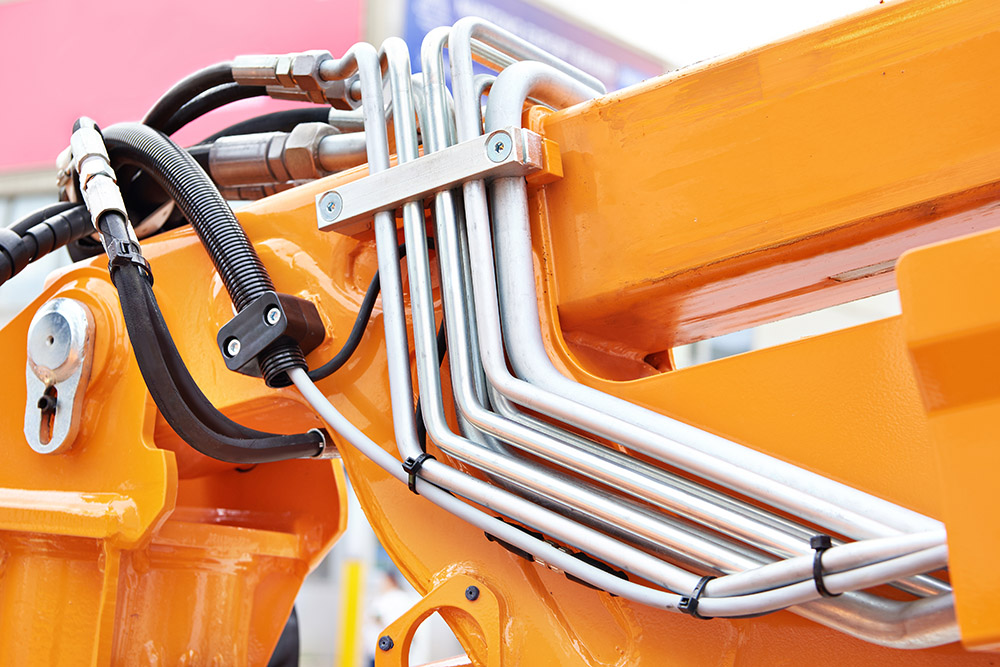
In hydraulic applications, precision, reliability, and performance are essential. Many factors go into how well equipment operates on the job, including how you design and route each tube assembly. In this guide, we share design tips and best practices for hydraulic tube assembly in mobile and industrial applications.
Hydraulic Tube Design Tips for Optimal System Performance
Even the slightest of design mistakes can affect the fit, performance, and safety of your tube assembly. We recommend following these best practices for maximum system efficiency:
- Select A Tube Material: Choose a tube material compatible with the fluid type and operating conditions. Consider environmental conditions that could accelerate corrosion, especially in construction, marine, and agriculture applications.
- Avoid Too Many Straight Lines and Excessive Bends: Designing your hydraulic tube assembly with too many direct, straight connections can cause tension from vibration and thermal expansion. Excessive 90° bends can also lead to problems. To prevent issues, use “U” bends to slight bends to allow flexibility, and limit 90° bends to prevent pressure drop. Slight, flexible bends also allow space for hydraulic lines to expand and contract during equipment operation.
- Maintain Proper Radius Bends: Kinking is a common problem in hydraulic tubes. You can prevent problems by adhering to the minimum radius bend standards recommended by your designer.
- Avoid Twisting: Installing tube assemblies with a twist reduces their service life and can contribute to poor system performance.
- Utilize Elbow Fittings: For tight spots, using a 90° or 45° elbow fitting is better than designing a tight bend in the tube. Fittings are designed to allow flow, whereas a tight tube bend can restrict it.
- Consider Ease of Access: Installed tube assemblies should not overlap or obstruct access to other hydraulic system components. Route tubes to allow easy access for system maintenance.
- Plan Your Routing: If you have a complex system, route the largest diameter hydraulic tube assemblies first, then move on to the smaller tubes.
- Choose Fittings Wisely: Install tubes using high-quality fittings and clamps to help stabilize runs and minimize vibration; do not over-tighten the fittings.
- Maintain Cleanliness: Fluid contamination is a top cause of system failure. Always properly clean tube assemblies and keep them capped until you are ready for installation.
Consult With a Professional To Plan Your Tube Routing Design
Several additional requirements can apply to tube tolerances, proper dimensioning, and bend radii. These specifications vary widely. Always consult with a fluid power engineer before finalizing and submitting your design to a tube assembly fabricator. They will help you determine what is required based on the equipment type, size, and application specifications.
If you need assistance with hydraulic tube assembly design or hydraulic hose assemblies, our technical team is here to help! Give us a call to discuss your application.