
Is your hydraulic equipment performance less than optimal? Even the smallest amount of moisture or contamination can cause sluggish operation and damage system components.
Fluid cleanliness is critical to improving hydraulic system performance and increasing uptime. Using high-quality filters and following best practices for installation and filter maintenance will help you maintain fluid cleanliness throughout your hydraulic system.
When and How to Replace Hydraulic Filters
Maintaining a regular filter replacement schedule and monitoring fluid condition will help you improve equipment uptime and help prevent system damage. Pay close attention to common indicators that your hydraulic filters are clogged and need replacing, including:
- Decreased power or system pressure
- Slow, jerky, or inconsistent movements
- Visual signs of hydraulic fluid contamination
- Increased system operating temperatures
- Fluid leaks around the filter
Tips for Replacing Filters
- First, turn off your system and release all pressure.
- Remove and discard the old filter.
- Use a clean, lint-free shop rag to wipe away fluid spills.
- Remove the new filter from its packaging and lubricate the O-ring and housing threads with clean oil or fluid. Make sure the filter you selected meets OEM specifications for your system and application.
- Clean the housing and install the new filter, using caution not to over-tighten it.
- After the filter is installed, bleed the hydraulic system and check for leaks.
Prevent Fluid Contamination and Protect Your Equipment
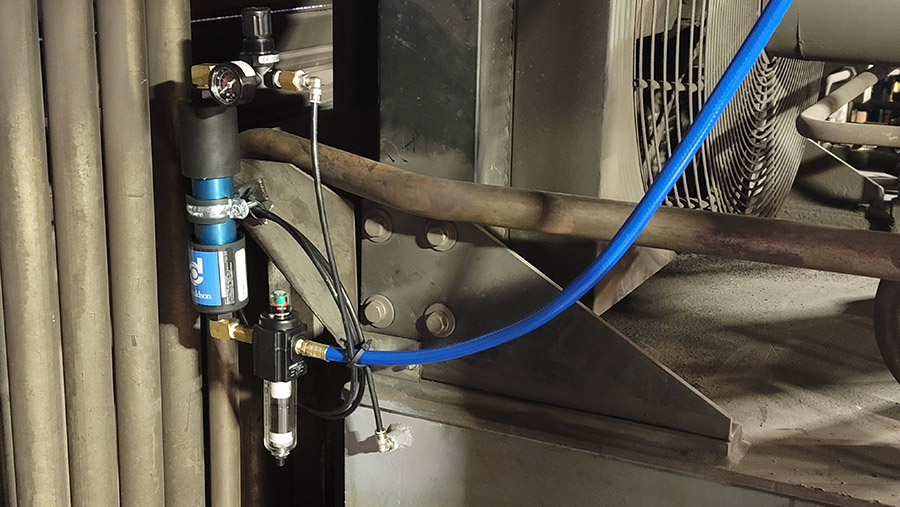
Hydraulic fluid contamination is a common, but preventable issue. We recommend using high-quality breather filters, which are designed to prevent moisture and airborne contaminants from entering hydraulic oil. Clean fluid prevents corrosion, extends component life, and helps reduce maintenance costs.
Your system maintenance schedule should also include performing an oil analysis to monitor fluid cleanliness. A lab analysis helps you monitor component wear, detect the presence of water or contamination, and monitor fluid condition.
Lastly, keep fluid reservoirs clean by wiping away dirt and grime, and always filter oil to a very fine level before adding it to your system.
Using the right products and following preventative maintenance best practices is worth the effort. Talk to our technical team about filter options and other recommendations for filter maintenance.