

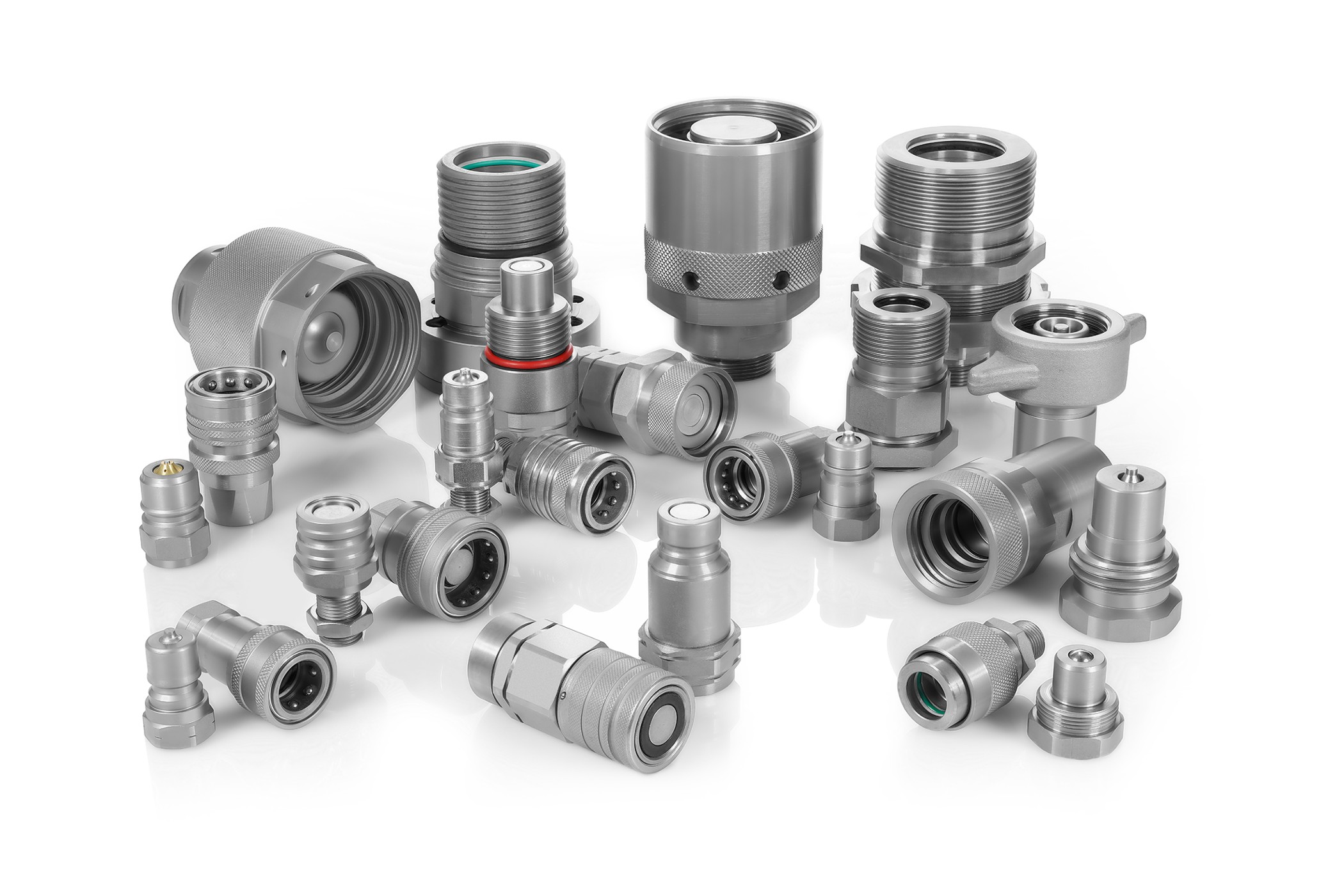
Every hydraulic component plays an important role in equipment efficiency and operational safety. In the case of fluid lines, the goal is not only to ensure reliable power transmission but also to make hydraulic systems easier to maintain and repair. The type of coupling you use can make a world of difference in how well your system performs. In applications where you want to simplify connections while maintaining safe and efficient equipment operation, hydraulic quick release couplings could be the answer.
What Are the Advantages of Using Quick Release Couplings?
The primary benefit of quick release couplings is the design, which keeps hydraulic lines securely connected while allowing tool-free disconnection and reattachment, even under system pressure. This efficient design:
- Eliminates the need to drain fluid lines before disconnection, saving operators time and preventing exposure to fluids under high pressure.
- Reduces the risk of fluid spills and contamination, protecting not only the hydraulic system, but operators and the environment.
- Minimizes the risk of fluid leaks at connection points, improving system efficiency.
- Saves significant time when changing hoses and equipment attachments, helping you reduce operating costs.
When Should You Use Quick Release Couplings?
Quick release hose couplers are versatile and robust, which makes them suitable for a range of industrial and mobile equipment applications. We recommend using this type of coupling for hydraulic testing stands and in applications involving frequent attachment changeovers, including:
- Agriculture
- Construction
- Industrial manufacturing
- Forestry
- Mining
How to Maintain Hydraulic Couplings
Hydraulic quick release couplings are safe, convenient, and make it easier to maintain hydraulic systems. As with any component, regular inspections are critical for identifying issues early and maintaining system efficiency. At a minimum, your maintenance schedule should include:
- Conducting a visual inspection of the couplings and fluid lines. Look for leaks, damage, and signs of wear or corrosion.
- Inspecting seals and replacing any that are warped or show signs of wear.
- Cleaning connections with a lint-free cloth to reduce the chance of system contamination and remove substances that can cause corrosion.
- Lubricating couplings and other components to reduce system wear. Consider installing an automatic lubrication system to keep components greased without the manual effort and equipment downtime.
- Testing fluid line connections to check the quick-release function and locking mechanism of each coupling.
Which Coupling Is Right for Your Application?
There are numerous specifications and environmental factors to consider when selecting couplings, including hose size, system pressure, material compatibility (seals and coupling), connection type, and more. Industry specifications can also apply to some applications.
Do you have questions about selecting quick release hose couplers for your OEM application? Work with our technical team to discover product options and discuss the best solution for the equipment and operating environment.